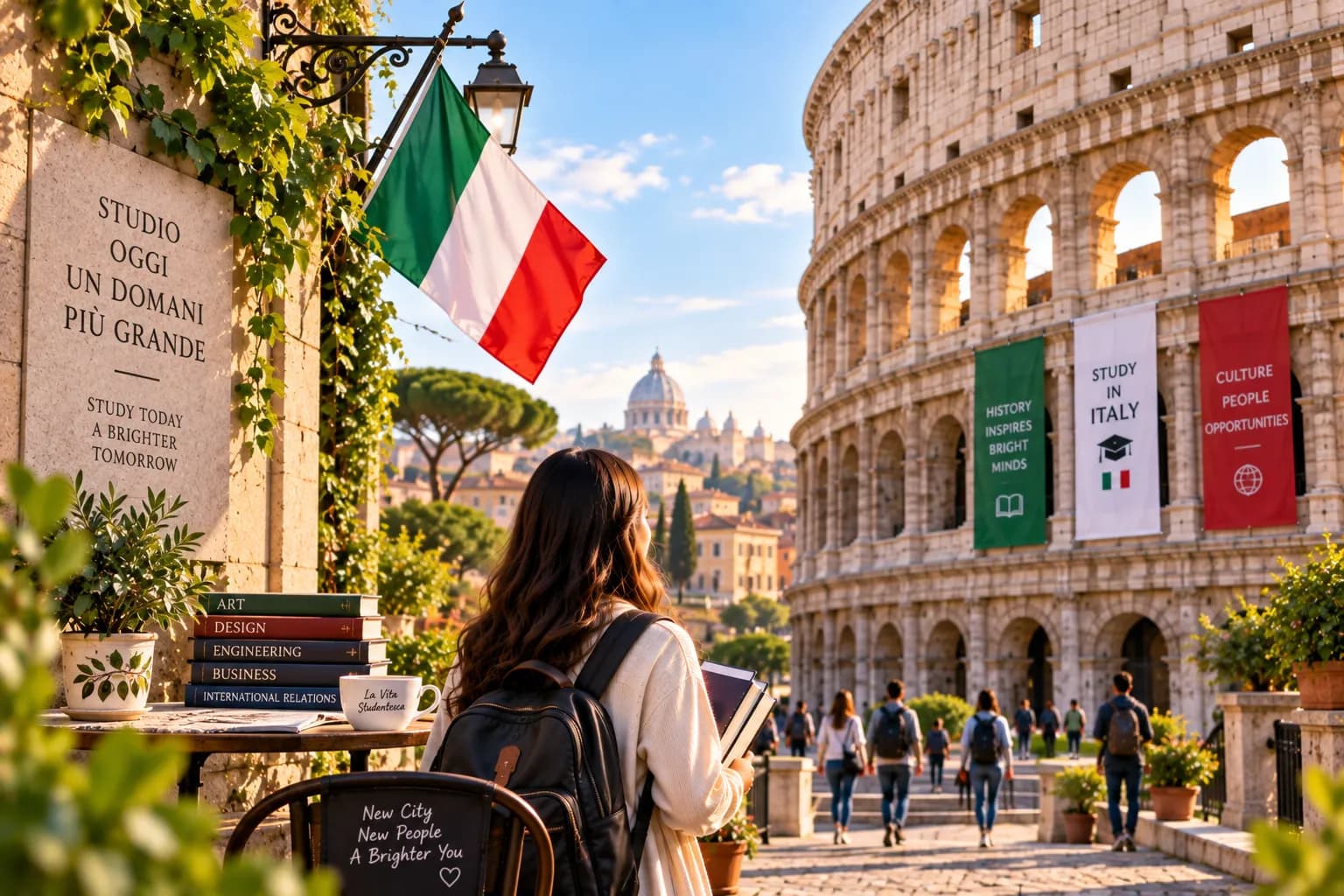
Study in Italy
Explore universities and specialist schools in art, design, architecture, business and science; check each programme's language of instruction early.
- Student cities
- Milan, Rome, Bologna, Turin, Florence and others
- Languages
- Italian and English
- Currency
- Euro (EUR)
- Typical duration
- Bachelor's degrees commonly take three years; master's degrees generally take two years
- Main intakes
- September or October are common starts, with different calendars for some programmes
- Region
- Europe
Why students choose Italy
Italy can suit students interested in European higher education, established academic traditions and a growing selection of English-taught programmes.
Established universities
Italy has long-established universities and specialised institutions across engineering, business, architecture, design, humanities and the sciences.
English-taught options
A growing number of programmes, particularly at postgraduate level, are available in English.
Different city environments
Students can compare major cities with smaller university towns based on programme availability, lifestyle and budget.
European study environment
Students can experience an Italian academic and cultural environment while studying within the wider European context.
Admission requirements in Italy for Pakistani students
Admission requirements vary by university and course, so students should check the specific requirements of their chosen programme before applying.
- Academic qualification relevant to the chosen course
- Academic transcripts and certificates
- Proof of Italian or English language proficiency, where required
- Valid passport
- Motivation letter or statement of purpose, where required
- Reference letters, where required
- Additional documents required by the university or course
Cost of studying and living in Italy
Cost of studying in Italy
Tuition fees vary by institution, programme and student category. Public universities can have different fee structures from private institutions.
| Study programme | Average annual tuition fees |
|---|---|
| Bachelor's degree | €1,000.00–€20,000.00 / year |
| Master's degree | €1,000.00–€20,000.00 / year |
| Doctoral degree | €1,000.00–€20,000.00 / year |
Figures are broad planning estimates. Actual fees vary by institution, programme and student category.
Cost of living in Italy
Living costs depend on the city, accommodation and lifestyle. Major cities can be more expensive than smaller university towns.
| Expense | Approximate monthly cost |
|---|---|
| Accommodation and utilities | €420.00–€840.00 / month |
| Food and housekeeping | €140.00–€280.00 / month |
| Transport and personal expenses | €140.00–€280.00 / month |
All figures are indicative planning estimates, not quotations.
Scholarships for Pakistani students in Italy
Italian universities, regional authorities and government programmes offer funding opportunities for eligible international students. Eligibility and application requirements vary.
| Scholarship | Details |
|---|---|
| Regional Scholarships | Italian regions may provide need-based or merit-based student support to eligible students. |
| University Scholarships | Universities may offer scholarships, fee reductions and other awards for eligible international students. |
| Italian Government Scholarships | Government scholarship programmes may provide funding for eligible international students and researchers. |
Job opportunities in Italy for Pakistani students
Italy offers international students opportunities to develop practical experience through permitted student work, internships and graduate opportunities. Universities may also provide career guidance and employability support.
Italy has established sectors including manufacturing, engineering, fashion, design, tourism, finance and technology. Work permissions and post-study options depend on applicable immigration rules, which can change, so students should check current official guidance.
Student visa and preparation for studying in Italy
International students generally need the appropriate Italian study visa and residence permission. The process involves admission to an eligible institution and preparation of identity, financial and supporting documentation.
A valid passport
Admission documentation from the Italian institution
Evidence of required funds
Proof of language ability, where required
Academic documents
Any additional documents required for the individual application
Italian visa and immigration requirements can change, so students should always check the latest official Italian government guidance before submitting an application.
Questions students ask about Italy
Italy offers established universities, different city environments and an increasing number of English-taught programmes. Suitability depends on your programme, language, budget and preferred location.
September and October are common start periods, although programme calendars vary between institutions.
Costs vary by institution, programme, student category and city. Public and private universities can have different fee structures.
International students generally need the appropriate Italian study visa and residence permission. Requirements depend on the programme and individual circumstances.
Yes. Regional authorities, universities and government programmes offer different funding opportunities subject to eligibility.
Compare the programme, teaching language, admission requirements, tuition, location, accommodation costs and academic environment.
Personalised guidance
Need help studying in Italy?
Get personalised guidance from our education consultants and take the next step with confidence.
Explore more
Explore other destinations
Keep your options open while you learn which country and study environment suit you best.
 Europe
Study in Austria
Compare research universities and universities of applied sciences in a Central European setting, with German- and English-taught pathways.
View Details Europe
Study in Belgium
Navigate a multilingual academic landscape by comparing Dutch-, French- and English-taught programmes, cities and institution types.
View Details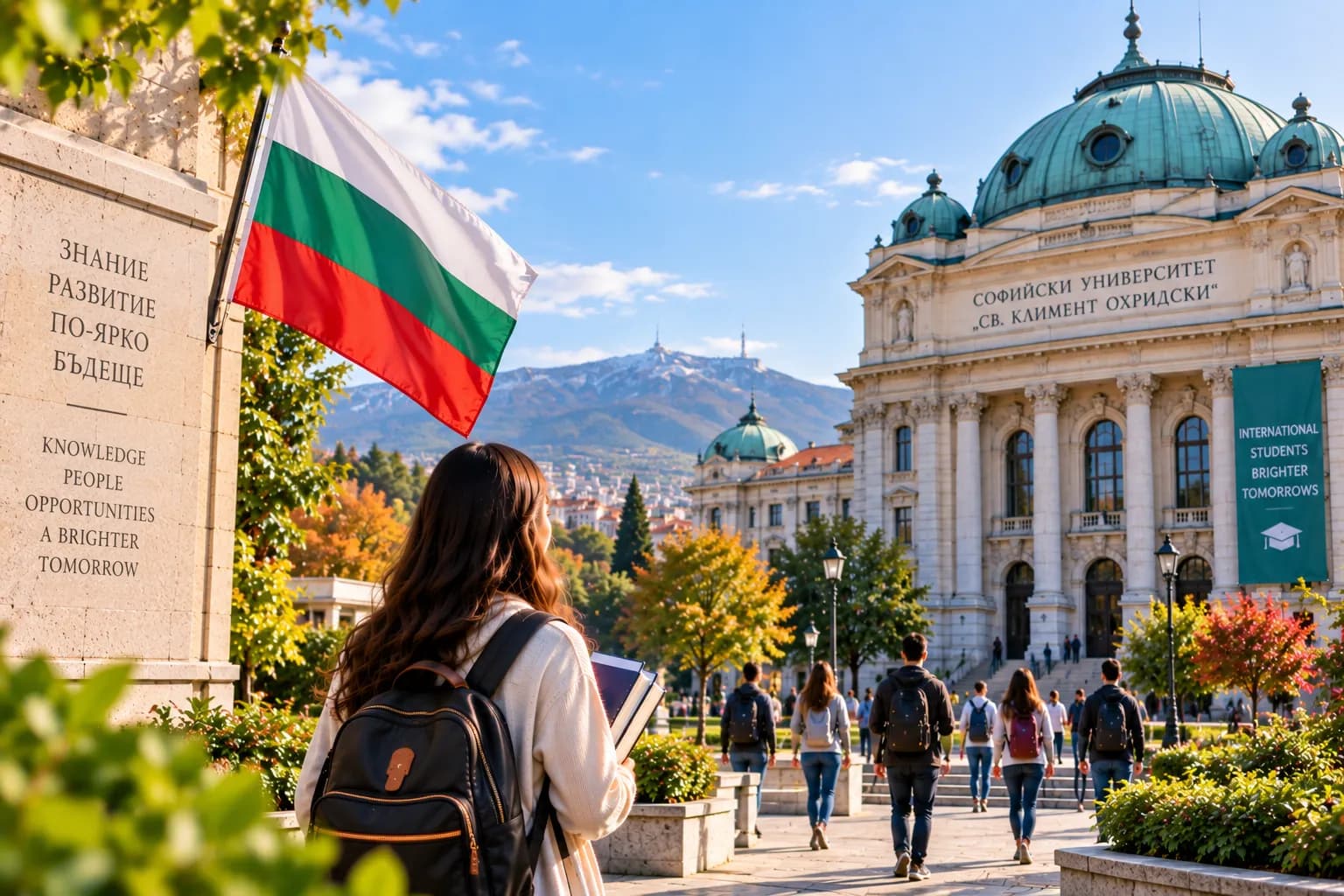 Europe
Study in Bulgaria
Discover universities in Sofia and other student cities, comparing English-taught programmes, institutional recognition and everyday costs.
View Details