

Universities and programs
How to Choose the Right University
A practical way to evaluate universities against your goals, rather than a list of famous names.
8 min read
Read guideUndergraduate program
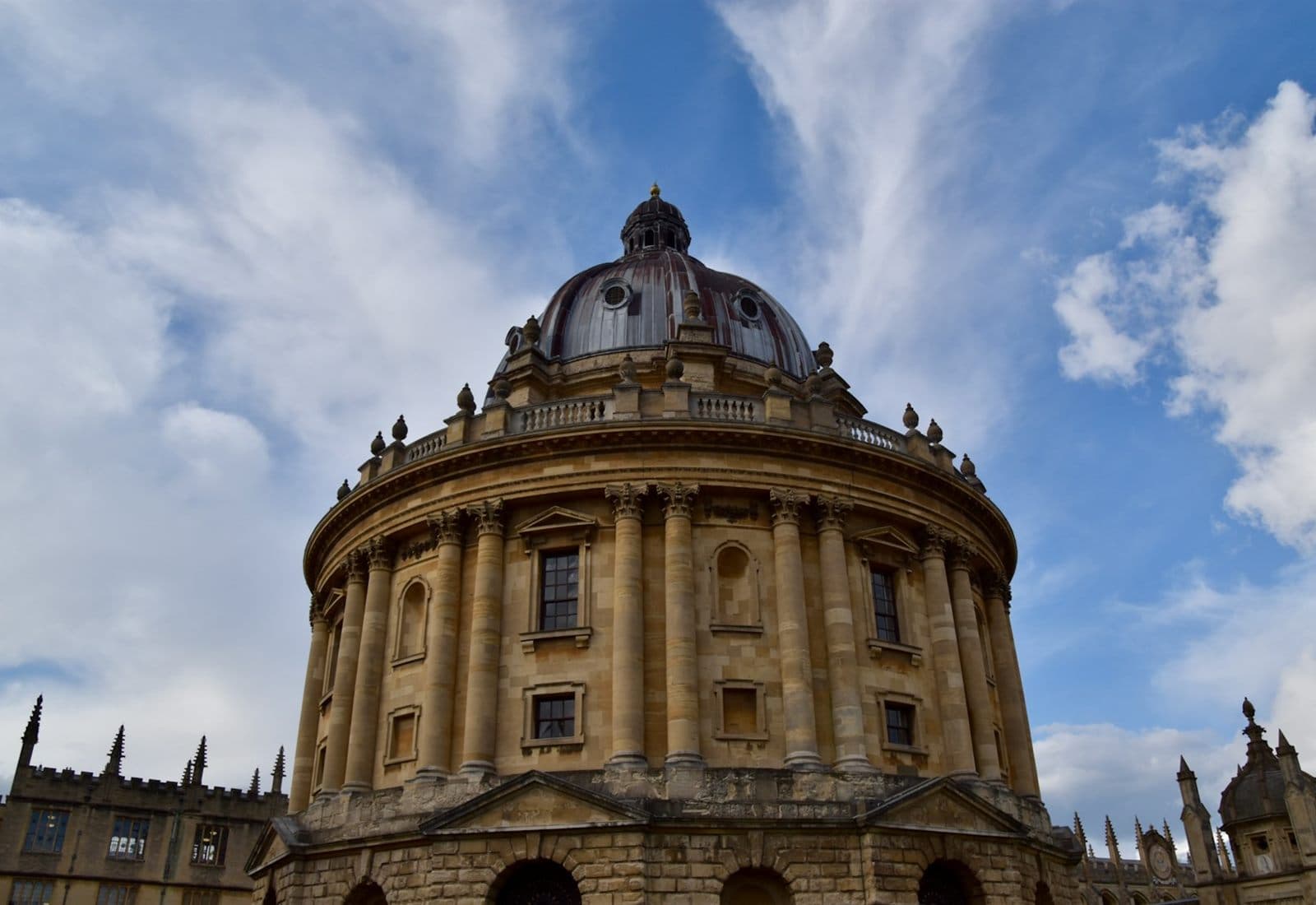
An undergraduate history degree at the University of Oxford. Teaching is shaped by the collegiate system: faculty lectures and resources, with much of the close work happening in college tutorials.
Explore this program and related study options.
Oxford History is an undergraduate arts degree built around historical periods, themes and sources rather than a single professional qualification. You should expect a lot of independent reading and written work between taught sessions.
The collegiate model matters here. Tutorials — small, regular teaching sessions — are a distinctive part of the week. That suits students who can prepare thoroughly on their own. It is a demanding rhythm, not a gentler one.
Joint schools with History exist at Oxford. This page describes the History course we currently list. Confirm the exact course code you would apply to.
The degree trains you to handle evidence, argument and writing at a high standard. It is not a vocational “history jobs” programme.
You work through papers covering different periods and approaches. The faculty sets the current paper list. We do not reproduce it here.
Much of the skill is reading critically, writing clearly and defending an interpretation in tutorials — not memorising a survey textbook.
The gaps between tutorials are where the degree happens. If you need a highly timetabled classroom week, compare other history degrees carefully.
Later years typically allow more choice. Special subjects and theses, where offered, depend on the regulations for your cohort.
Oxford undergraduate degrees are organised in years and papers rather than a long list of named “modules” in the North American sense.
Lectures and libraries sit with the faculty and the university. Tutorials and much pastoral structure sit with your college.
Exams, submitted work and any thesis requirements are defined in the Examination Regulations for your year. Check those, not a summary site.
History typically involves extra application steps beyond a form — such as written work or an admissions test. Confirm the current process for the cycle you are entering.
Undergraduate admission is to a course, through UCAS, with an earlier Oxford deadline than many UK universities. Colleges admit against the faculty’s academic standard.
You will need results — or predicted results — that match the published History standard, including any required subjects. Offers are competitive.
Many History applicants complete additional assessment. The current test and written-work rules are on the official History admissions pages.
Shortlisted undergraduate applicants are typically interviewed. That is part of Oxford’s process, not a generic UK step.
Eligibility is not something this page can confirm. Read the History admissions pages for your UCAS cycle.
If English is not your first language, Oxford sets evidence requirements for undergraduate study. History does not have a separate unofficial score on this site.
The university lists accepted tests and the scores it requires. Confirm them for the year you apply. We do not reprint unofficial numbers.
College and faculty pages remain the source of truth for your cycle.
Undergraduate fees at Oxford depend on your fee status and the year you start. History does not have a separate “prestige surcharge” we can quote — it has the published course fee.
Use the official undergraduate fee table for History and your status (home or overseas). Do not copy a graduate fee.
College accommodation, meals and living in Oxford sit on top of tuition. They vary by college and year. We do not invent a weekly average.
Fees change. Official tables and a funding conversation are more reliable than a round number on a profile page.
The Clarendon Fund in our listing is a graduate scheme — it is not an undergraduate History award. Undergraduate funding, where it exists, follows Oxford and UK rules. Do not assume a scholarship is part of an offer.
History graduates enter many fields that value writing, analysis and evidence. The degree does not train you for a single job, and it does not guarantee one.
Graduates may explore policy, research, media, education, law conversion, heritage or other roles that need careful argument. None of these is an automatic outcome.
Some continue to master’s or professional conversion courses. Those have their own entry rules and costs.
Oxford is a collegiate public university in a compact city. Your college is a large part of the History week. Read the university page before you treat the city postcard as the course.
Three-year bachelor’s degrees are a common English pattern. UCAS, student visas and UK living costs are covered on the United Kingdom destination page.
Undergraduate Oxford has an earlier UCAS deadline than most UK courses. Missing it usually means waiting a year. We do not print a calendar date here because the cycle date is published by UCAS and Oxford.
Autumn, once a year, for this BA.
Check the current UCAS deadline for Oxford and the History test registration dates for your cycle. They are earlier than many students expect.
Short answers for orientation. Official course pages remain the source of truth for your year of entry.
Undergraduate history through papers, tutorials and independent reading. The current paper list is on the faculty website, not on this page.
Typically three years, full-time. Confirm the regulations for your year of entry.
Strong academic results in relevant subjects, plus Oxford’s extra admissions steps for History (which can include a test, written work and interview). Check the current cycle pages.
Oxford publishes undergraduate English language rules. If you need a test, use the scores listed for the year you apply.
Undergraduate tuition depends on fee status and year. College living costs are extra. Use official tables; we do not quote unofficial figures.
It may prepare you for work that needs writing and analysis, or for further study. It does not guarantee a job, salary or visa.
Through UCAS, to Oxford History, by the published early deadline. Application Support can help you plan; official pages remain the instructions.
Other programmes we currently list in the same study area, university or level — a comparison set, not a ranking.
Practical reading while you decide whether this programme — and this university — may fit.
Universities and programs
A practical way to evaluate universities against your goals, rather than a list of famous names.
8 min read
Read guide
Scholarships and funding
Tuition is only part of the picture. Use this guide to think through living costs, funding and planning.
6 min read
Read guide
Applications
Documents, tests, timelines and the practical things to gather before you apply.
5 min read
Read guideFit depends on the subject, your background, budget and where you want to study — not on a degree title alone. A conversation can help you see whether this programme, or another, may be the right next step.