Universities and programs
How to Choose the Right University
A practical way to evaluate universities against your goals, rather than a list of famous names.
8 min read
Read guide
University in the United Kingdom
A collegiate public university in the city of Oxford. Teaching is organised through colleges and faculties — a structure that shapes daily academic life as much as the course you choose.

Oxford · United Kingdom · Public

A short orientation — not a ranking, and not a substitute for the course pages you will eventually read.
Oxford is a public university whose academic work is shared between faculties and a set of colleges. Students typically belong to a college for teaching contact, accommodation and community, while lectures, labs and assessments sit with the wider university.
That split matters when you compare Oxford with a campus university: your week may mix faculty teaching with smaller college sessions. It is a distinctive way of studying — not automatically a better one for every student.
In our current listing, subject areas connected to Oxford include arts, law and business. That is a starting map, not a complete catalogue of everything the university teaches.
Oxford can be a useful option to evaluate if the collegiate model, a compact university city, and a particular course structure match how you want to study — not because a famous name is a plan on its own.
Much of the close teaching happens in colleges. If you learn well in small groups and can work independently between sessions, that rhythm may suit you. If you prefer a single campus department as your whole world, compare carefully.
Arts, law and business are the areas we currently connect to Oxford. Use those as a prompt to look up the actual course, not as a claim that these are the only — or the strongest — fields.
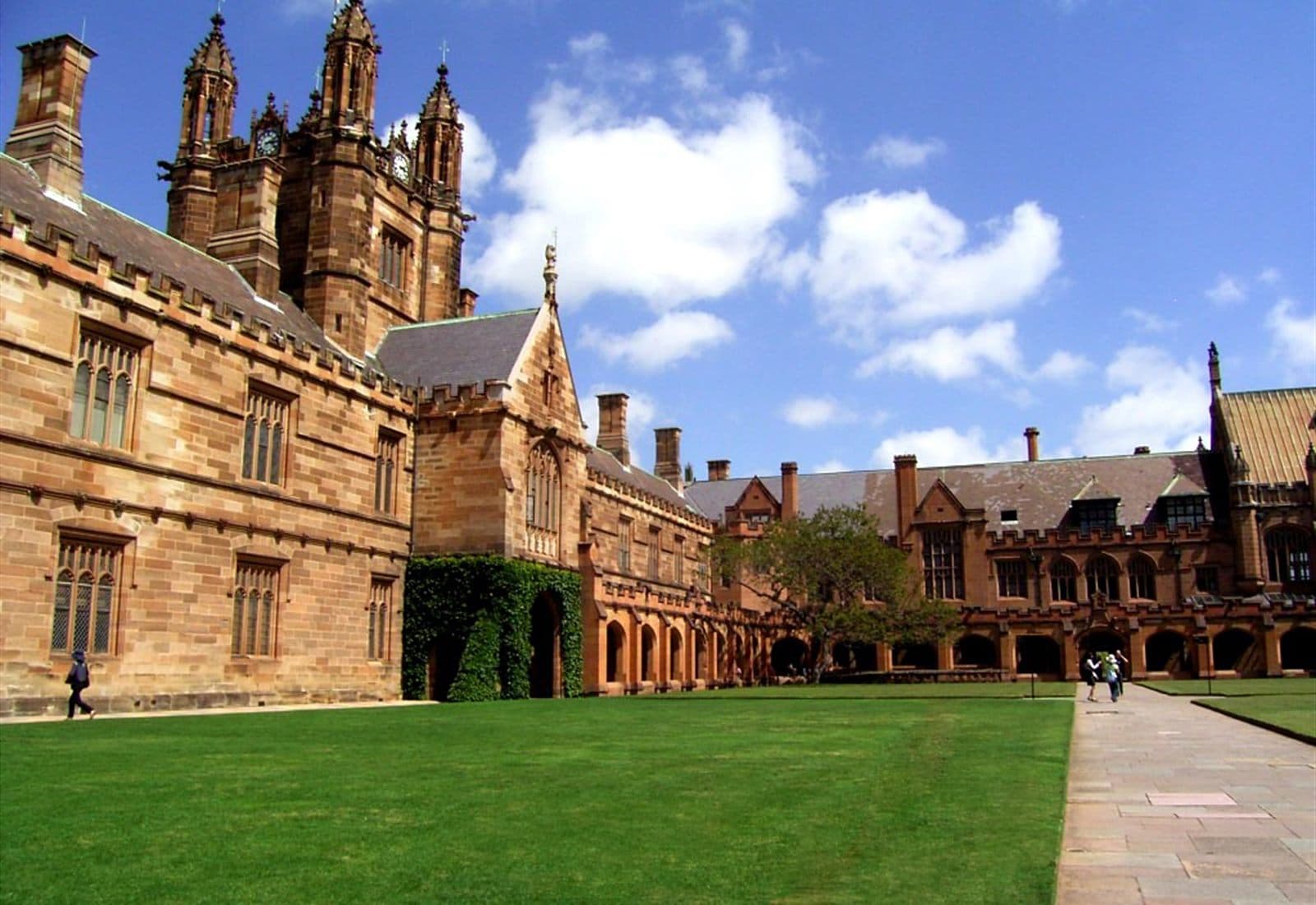
Oxford is a compact city in which colleges, libraries and student housing sit close together. Daily life is urban and walkable, with the university highly visible in the centre.
The Clarendon Fund is listed here for graduate applicants. It is competitive, and it is not a promise of an award — only a real scheme to understand if you are considering postgraduate study.
A curated preview from what we currently list for University of Oxford — not every course the university teaches, and not a ranking of faculties.
Study levels listed here: Undergraduate
Undergraduate · Arts & Design
Student life in Oxford is closely tied to college membership: meals, rooms, clubs and much of your social circle often start there, then open out into university-wide societies and the city.
Your college is usually where you live in the early years, eat, and meet students from other subjects. That can feel supportive. It can also feel small — worth weighing if you want a large, anonymous campus.
Shops, libraries and most teaching are close. You will not need a long commute for a typical week, but housing pressure in the city is real, especially after the first year.
Oxford enrols students from many countries. How international your day feels still depends on your college, your course and how you spend time outside teaching.
Oxford sits northwest of London. The city is the campus. For destination-level questions — visas, cost of living in the UK, and how the academic year is structured — use the United Kingdom guide rather than this page.
Fees at Oxford vary by programme, study level and whether you are classed as home or overseas. A figure that belongs to one course should not be treated as a university-wide average.
Undergraduate and graduate fees are published by the university for each course and year of entry. Check the course page for the fee status that applies to you.
College accommodation can simplify the first year. Later years, and living out, follow the wider UK pattern: rent, food and transport add up separately from tuition.
EdSultants does not publish unofficial averages. Official course pages and a funding conversation are the reliable next steps.
Some graduate applicants are considered for the Clarendon Fund. Other UK schemes, such as Chevening, sit at destination level. None of these is guaranteed, and eligibility is defined by the funder — not by this page.
University of Oxford · Tuition and living support
Oxford requirements are set by the course. Colleges admit to a specific programme; a general university checklist is only orientation.
You will usually need results — or predicted results — that match the course standard. Some undergraduate courses also use admissions tests or written work.
If English is not your first language, the university sets evidence requirements by course. Confirm the current tests and scores on the official pages for your year of entry.
Interviews are part of many undergraduate admissions. Graduate applications are assessed by the department. Do not assume one route applies to every subject.
Requirements change. Treat this as a map of what to look up, not as the rule for your application.
Short answers for orientation. Official university pages remain the source of truth for your year of entry.
In the city of Oxford, in the United Kingdom. Colleges, faculties and much of student housing sit within the city rather than on a single out-of-town campus.
Oxford teaches a wide range of subjects. On this site we currently list arts, law and business as connected study areas, with BA History as a featured undergraduate example. Always confirm the live course list on the university website.
They depend on the course, the study level and your previous qualifications. Many undergraduate courses include extra tests or an interview. Check the course page and our application support guidance before you treat any one list as complete.
Graduate applicants may be considered for the Clarendon Fund. Other UK awards exist at national level. Availability, amount and eligibility are set by each scheme — we do not present funding as guaranteed.
Undergraduate applications to Oxford go through UCAS, with earlier deadlines than many other UK universities. Graduate applications go to the university. Application Support can help you plan the steps; the official pages remain the source of truth.
Yes. International students study at Oxford across colleges and faculties. Visa rules, English language evidence and fee status still need to be checked for your own situation.
Practical reading while you decide whether Oxford — and this destination — may fit.
Universities and programs
A practical way to evaluate universities against your goals, rather than a list of famous names.
8 min read
Read guide
Scholarships and funding
Tuition is only part of the picture. Use this guide to think through living costs, funding and planning.
6 min read
Read guide
Applications
Documents, tests, timelines and the practical things to gather before you apply.
5 min read
Read guideOther institutions we currently list in the same destination or overlapping study areas — a comparison set, not a ranking.
Fit depends on the programme, your background, budget and where you want to live — not on a famous name alone. A conversation can help you see whether this university, or another, may be the right next step.