


Universities and programs
How to Choose the Right University
A practical way to evaluate universities against your goals, rather than a list of famous names.
8 min read
Read guideUndergraduate program
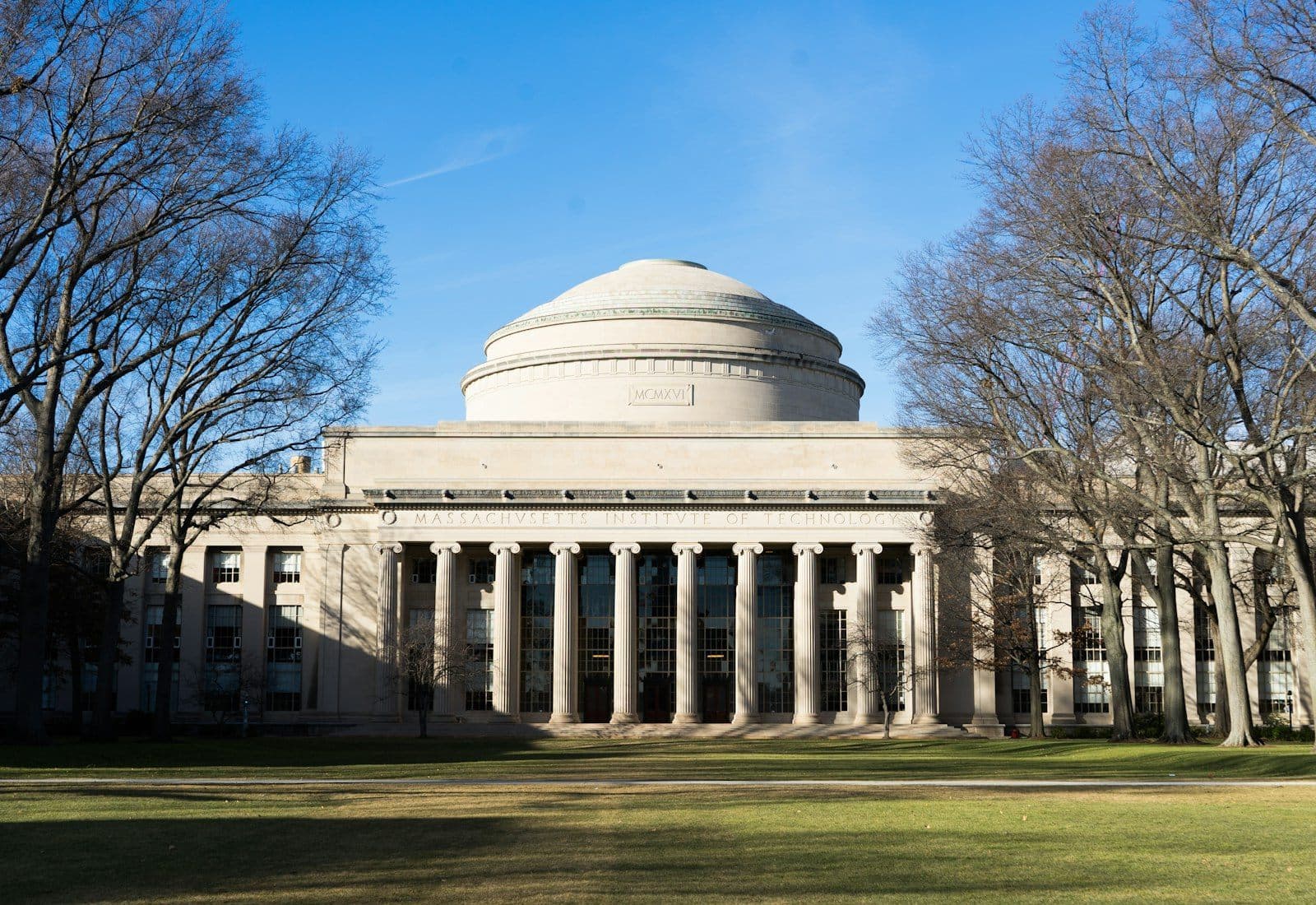
An undergraduate computer science degree at MIT in Cambridge, Massachusetts. The workload is typically heavy, and admission is a separate, highly selective process from choosing this subject.
Explore this program and related study options.
Undergraduate computer science at MIT sits inside a science-and-engineering institute. You should expect a technically demanding mix of programming, theory and systems, alongside MIT’s broader undergraduate requirements — not a standalone coding bootcamp.
Department names and course numbers change over time. This page describes the undergraduate Computer Science option we currently list. Confirm the live major requirements on MIT’s pages.
The culture is often described as academically intense. That is relevant to fit. It is not a ranking claim, and it is not a reason to apply without reading the actual requirements.
The major is built to train you in the foundations of computing. Optional subjects then let you go deeper in an area the department currently offers.
Typical CS majors include programming, discrete mathematics, algorithms and computer systems at a rigorous level. MIT’s catalogue lists the current required subjects.
Undergraduates also complete MIT-wide science, humanities and other requirements. The major is not the whole degree.
Later subjects and, for some students, undergraduate research or independent projects. Research is not automatic.
We will not paste a full subject catalogue or invent “must-take” electives.
Four undergraduate years, with General Institute Requirements plus the Computer Science major requirements in force for your entering class.
You do not only take CS. Science and HASS (humanities, arts, and social sciences) requirements are part of an MIT bachelor’s.
Term-by-term plans belong on departmental advising pages. They change when requirements change.
You apply to MIT as an undergraduate, not to a separate “CS faculty admissions” portal in the way some countries split departments. Major choice is part of the MIT undergraduate process.
MIT uses its published application, essays and current testing policy. There is no GPA or test score we can quote as sufficient. The process is holistic and selective.
Strong mathematics and science preparation is typical among applicants interested in CS. That is context, not a hidden rubric.
Follow MIT Admissions for the current cycle, including English language evidence if it applies to you.
We will not summarise last year’s testing policy as if it were permanent. Use MIT Admissions for the cycle you are entering.
MIT publishes undergraduate English language expectations. They depend on your schooling. Confirm the current rule rather than copying a friend’s file.
Testing or other evidence, if required, is listed by MIT Admissions. We do not reprint unofficial scores.
MIT is a private institute. There is no in-state tuition. Undergraduate cost of attendance is published each year; need-based aid, if you qualify, may change what you pay.
Use MIT’s current undergraduate cost figures. We do not reprint unofficial totals that go stale.
Undergraduate aid at MIT is typically need-based, including for many international students, subject to current policy. It is an application, not a coupon.
Graduate tuition and funding, if you later consider a master’s, are a different system.
Need-based undergraduate aid is the main MIT funding story in our listing. Confirm current international student policy with the institute. It is not a guaranteed package and not a ranking scholarship.
Massachusetts Institute of Technology · Need-based aid
View detailsUndergraduate CS can support pathways into software, research, further study or other technically demanding work. MIT’s name does not assign you a job or a visa.
Graduates may explore computing roles. Outcomes depend on skills, internships you actually do, and employers — not on this page.
Graduate CS or other fields are separate, competitive admissions.
MIT is a private institute in Cambridge, across the river from Boston. Read the university page for campus character and how undergraduate aid is described — without treating it as a brochure.
F-1 visas, the difference between private and public tuition logic, and US living-cost context sit on the United States destination page.
Undergraduate MIT starts in the autumn. Application plans (including early and regular, as currently offered) have fixed dates that MIT publishes each cycle.
Autumn, once a year, for first-year undergraduates.
Use MIT Admissions dates for your cycle. They are early. We do not reprint them here so they cannot go stale on this page.
Short answers for orientation. Official course pages remain the source of truth for your year of entry.
Undergraduate computer science plus MIT’s wider bachelor’s requirements. The department’s current major requirements are on MIT’s website.
Typically four years of full-time undergraduate study.
You apply to MIT undergraduate admissions. There is no single test score or GPA this page can quote. Read the current MIT Admissions process.
Whatever MIT Admissions currently lists for your schooling background. Confirm for your cycle.
MIT publishes undergraduate cost of attendance. Need-based aid may apply, subject to current policy. We do not reprint unofficial totals.
It may prepare you for computing work or further study. It does not guarantee a job, salary or visa.
Through MIT’s published undergraduate process. Application Support can help you plan a US application file.
Other programmes we currently list in the same study area, university or level — a comparison set, not a ranking.
Practical reading while you decide whether this programme — and this university — may fit.
Universities and programs
A practical way to evaluate universities against your goals, rather than a list of famous names.
8 min read
Read guide
Scholarships and funding
Tuition is only part of the picture. Use this guide to think through living costs, funding and planning.
6 min read
Read guide
Applications
Documents, tests, timelines and the practical things to gather before you apply.
5 min read
Read guideFit depends on the subject, your background, budget and where you want to study — not on a degree title alone. A conversation can help you see whether this programme, or another, may be the right next step.